
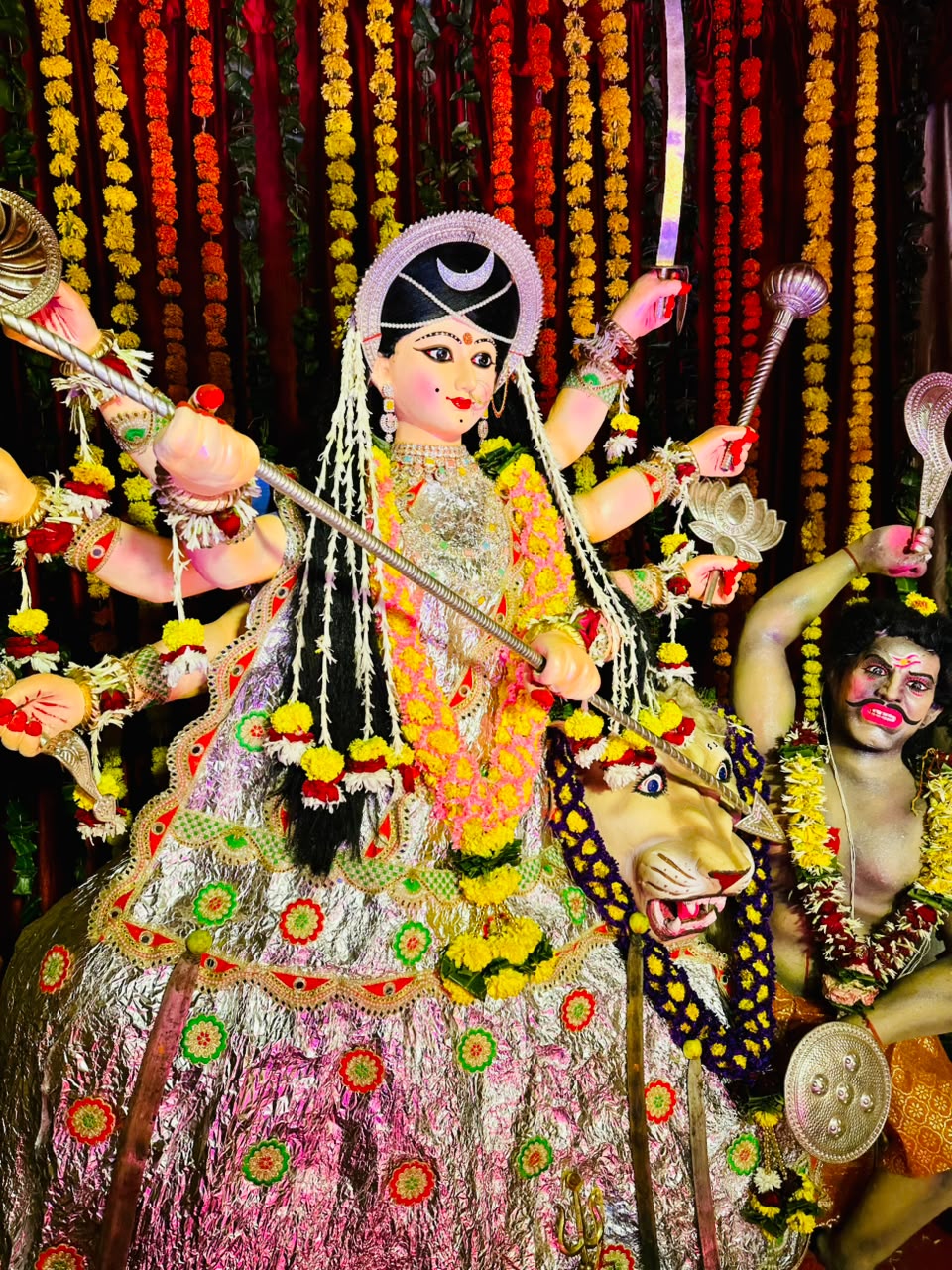
Navratri: The Sacred Nine Nights of Maa Durga – Significance, Traditions & Worship
Navratri is one of the most spiritually significant festivals celebrated across India. Dedicated to Maa Durga and her nine divine forms, the Navadurga, the festival represents the victory of divine power over negativity and the triumph of good over evil.
The word Navratri comes from two Sanskrit words — “Nav” meaning nine and “Ratri” meaning nights. During these nine nights and ten days, devotees worship Maa Durga with devotion, fasting, prayers, meditation and traditional rituals.
Why Is Navratri Celebrated?
Navratri is associated with the divine victory of Maa Durga over the demon Mahishasura. According to Hindu tradition, Mahishasura had received powerful blessings and became a threat to the Devas and the world.
The divine energies of the Gods united to manifest Maa Durga, who fought Mahishasura and ultimately defeated him.
Therefore, Navratri symbolises:
- 🪷 Victory of good over evil
- 🔱 The power of Shakti
- 🕉️ Spiritual purification
- 🌺 Devotion and surrender
- 🪔 Removal of negativity
- 🙏 Renewal of faith and inner strength
The Nine Forms of Maa Durga
Each day of Navratri is traditionally dedicated to one form of Maa Durga.
Day 1 – Maa Shailputri
Maa Shailputri is worshipped on the first day. She represents strength, purity and the beginning of a spiritual journey.
Day 2 – Maa Brahmacharini
The second day is dedicated to Maa Brahmacharini, symbolising devotion, penance, patience and determination.
Day 3 – Maa Chandraghanta
Maa Chandraghanta represents courage, peace and protection. Her worship is believed to give devotees strength to overcome fear and obstacles.
Day 4 – Maa Kushmanda
Maa Kushmanda is associated with the cosmic energy that gives life to the universe. She represents creativity, vitality and positive energy.
Day 5 – Maa Skandamata
Maa Skandamata, the mother of Lord Kartikeya, represents motherhood, compassion and divine protection.
Day 6 – Maa Katyayani
Maa Katyayani is regarded as a powerful warrior form of the Goddess. She symbolises courage, justice and the destruction of negative forces.
Day 7 – Maa Kalaratri
Maa Kalaratri is the fierce form of Shakti. She represents the destruction of darkness, fear and evil.
Day 8 – Maa Mahagauri
Maa Mahagauri symbolises purity, peace and spiritual illumination. Ashtami is considered especially significant in many traditions.
Day 9 – Maa Siddhidatri
Maa Siddhidatri is worshipped on Navami. She represents spiritual accomplishment, wisdom and divine blessings.
Navratri Puja: What Do Devotees Offer?
Navratri worship varies according to regional and family traditions. Common puja items include:
- Roli and Kumkum
- Haldi
- Chandan
- Akshat
- Sindoor
- Flowers
- Deepak and cotton wicks
- Dhoop
- Kapoor
- Ganga Jal
- Naivedya and fruits
- Chunari
- Coconut
- Havan Samagri
Devotees may also perform Durga Saptashati/Devi Mahatmya paath, aarti, havan and kanya pujan, depending on their traditions.
Fasting During Navratri
Many devotees observe fasting during Navratri as a form of spiritual discipline.
Commonly consumed foods include:
- Sabudana
- Singhara atta
- Kuttu atta
- Fruits
- Milk and dairy products
- Samak rice
- Potatoes and selected vrat-friendly vegetables
Fasting practices differ from one family and region to another. Devotees generally follow the traditions prescribed by their family or spiritual tradition.
Why Is Ashtami and Navami Special?
The eighth day, Durga Ashtami, and the ninth day, Mahanavami, hold special importance in many Hindu traditions.
One widely followed tradition is Kanya Pujan, where young girls are respectfully worshipped as manifestations of the Divine Feminine. They are offered food, gifts and blessings.
The exact customs may vary by region and family tradition.
Navratri Across India
Navratri is celebrated in different and beautiful ways throughout India.
Gujarat is famous for Garba and Dandiya celebrations.
West Bengal celebrates the grandeur of Durga Puja, especially during the final days of the festival.
In North India, devotees observe fasts, perform Durga Puja and organise Ram Leela celebrations.
In Madhya Pradesh, Rajasthan and other regions, devotees participate in temple worship, jagran, cultural programmes and traditional rituals.
Despite these differences, the central message remains the same — Shakti, devotion and the victory of righteousness.
Navratri Is More Than a Festival
Navratri is not simply a celebration of nine nights. It is also a reminder to look within ourselves.
The nine forms of Maa Durga can be understood as different expressions of divine strength — courage, discipline, wisdom, compassion, protection and spiritual power.
As the lamps are lit and the chants of “Jai Mata Di” fill homes and temples, devotees seek not only material blessings but also inner peace and strength.
Celebrate Navratri With Devotion
Whether you perform a complete puja at home, visit a temple, observe a fast or simply remember Maa Durga with devotion, Navratri provides an opportunity to reconnect with spirituality and tradition.
Prepare your puja essentials with care, maintain cleanliness and follow your family’s traditional rituals with श्रद्धा and devotion.
May Maa Durga bless every home with strength, prosperity, happiness and peace.
🌺 जय माता दी 🌺
Shubh Navratri!
Disclaimer: Religious customs, fasting rules and puja procedures can differ according to region, sampradaya and family tradition. Devotees should follow the practices prescribed by their family or spiritual tradition.

Leave a Reply